

 Back to Blogs
Why Your Roof Is Failing in Crossett Weather Conditions?
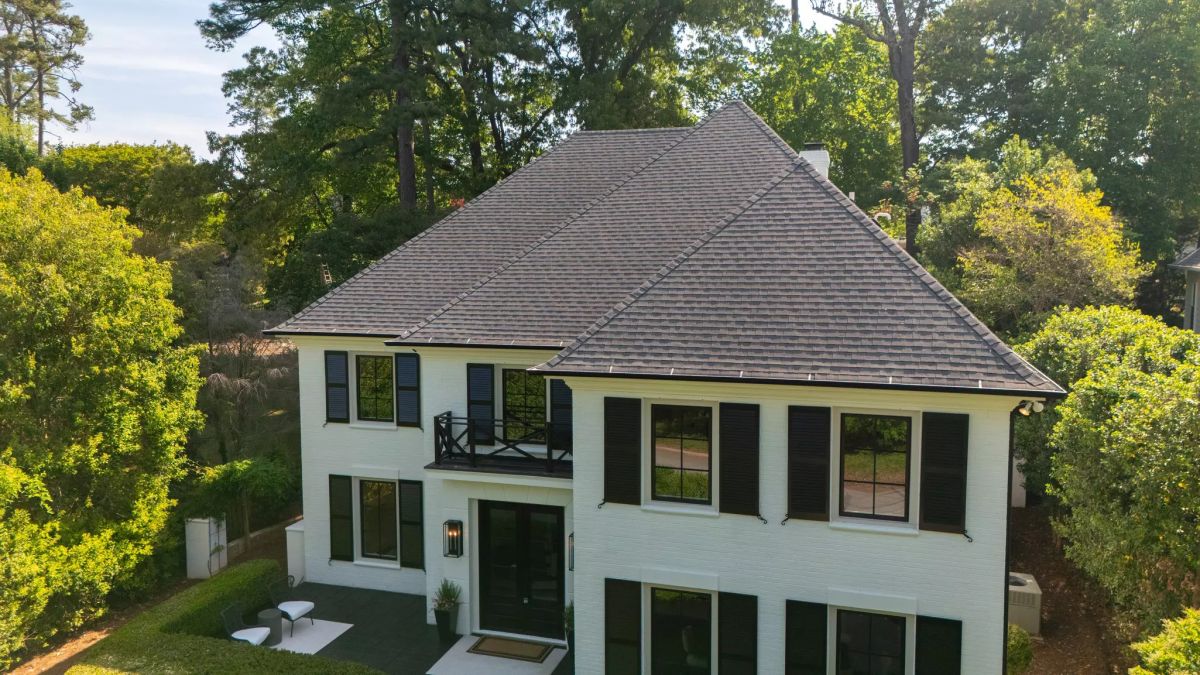
Crossett weather does not go easy on a roof. Between intense summer heat, heavy rainfall, and sudden storms rolling through, your roof takes on constant stress that most homeowners never see from ground level. Over time, that stress adds up, and many homeowners eventually turn to roofing replacement to protect their home before minor wear becomes a much bigger problem.
Understanding what causes roof failure in this climate can help you catch the warning signs early, before a small issue turns into water damage inside your home.
How Local Weather Wears Down Your Roof
Intense Summer Heat
Crossett summers bring long stretches of high heat and direct sun exposure that most roofing materials were never meant to withstand indefinitely. Constant UV exposure causes roofing materials to dry out, become brittle, and lose flexibility over time, which weakens their ability to protect your home from the elements.
Heat also causes materials to expand during the day and contract again once temperatures drop at night. That repeated cycle puts ongoing strain on seams and fasteners, gradually loosening what once held tightly together year after year.
Heavy Rain and Humidity
Frequent rain combined with high humidity creates the perfect environment for moisture to work its way beneath aging roofing materials. Once moisture gets underneath the surface layer, it can linger far longer than most homeowners realize, especially in areas that stay shaded through the day.
Trapped moisture leads to soft spots, sagging, and even structural concerns if it goes unaddressed for too long. This is one of the main reasons homeowners search for "why is my roof leaking” after a stretch of wet weather rolls through the area.
Sudden Storms and Wind
Strong wind gusts during storms can lift, loosen, or tear roofing materials, especially on a roof that has already been weakened by age or prolonged sun exposure. Even a single severe storm can expose years of gradual wear all at once, revealing damage that had been building quietly for some time.
Homes with aging roofs are far more vulnerable during these events, which is why many homeowners start researching roofing replacement shortly after a major storm passes through their neighborhood.

Signs Your Roof May Be Failing
Beyond obvious storm damage, several signs point to a roof nearing the end of its lifespan. Watch for curling or missing shingles, granules collecting in gutters, or visible sagging along the roofline that was not there before.
Water stains on interior ceilings are another strong signal, since they usually mean moisture has already made its way through the roofing layer and into your home. If you are asking “how to know if I need a new roof”, these signs are your clearest answer.
Why Roofing Replacement Makes Sense in This Climate
Patching individual problem areas might seem like a quick fix, but it rarely addresses the full picture of weather-related wear. A full roof replacement gives your entire roof a fresh, consistent barrier against heat, rain, and wind.
New roofing materials are built to handle temperature swings and moisture exposure far better than older, worn-out systems. That means fewer surprises during storm season and stronger, more reliable protection for everything underneath your roofline.
A properly installed roof also supports better energy efficiency for your home, since a tight, well-sealed roofline helps reduce heat transfer into your attic space during the hottest months of the year, easing the load on your cooling system.
Built to Handle Crossett's Toughest Weather
A dependable roofing system needs to do more than look good from the curb. It needs to hold up against intense heat, resist wind uplift during storms, and keep moisture out through every rainy season without fail.
That kind of performance comes down to quality materials and correct installation working together. A roof that is properly fastened, ventilated, and sealed distributes stress evenly across the surface instead of concentrating wear in a few vulnerable spots.
Choosing a roofing system built for these conditions means fewer surprises down the road and a stronger, more consistent barrier protecting your home through every season.
What to Expect From a New Roof
Your roof plays a central role in protecting your entire home, so choosing dependable materials matters more than many homeowners realize. We offer a durable roofing system designed to stand up to demanding weather while keeping your home looking sharp from the street.
Every project is backed by a Lifetime Limited Warranty for long-term peace of mind. (Restrictions may apply. For complete details, contact Window World of Monroe).
We also offer flexible payment options through our financing programs, so protecting your home does not have to strain your budget all at once. Browse our roofing options to see what fits your home best and start planning your project today.
Ready to Protect Your Home From Crossett Weather?
Your roof works hard every single day, absorbing heat, rain, and wind so the rest of your home does not have to. When that protection starts to fail, the risk to your home only grows the longer it goes unaddressed, and small issues can quickly turn into costly ones.
Our team is ready to walk you through your options, help you choose the right roofing solution, and complete a clean, professional installation from start to finish. Request your free quote today and give your home the protection it deserves.
Frequently Asked Questions
-
Curling shingles, granule loss, sagging areas, and interior water stains are common signs your roof has reached the end of its useful lifespan.
-
Yes. Intense heat, humidity, and frequent storms all accelerate wear, especially on roofs that are already aging or were installed many years ago.
-
Patching only addresses isolated spots temporarily. A full replacement provides consistent, lasting protection across your entire roof against ongoing weather exposure.
-
Timing depends on your home's size and layout, though our professional installation team works efficiently to minimize disruption to your daily routine.
-
Yes. A properly sealed, well-installed roof helps reduce heat transfer into your attic, easing the load on your home's cooling system throughout the year.