

 Back to Blogs
How to Choose Siding That Complements Your Windows and Doors?
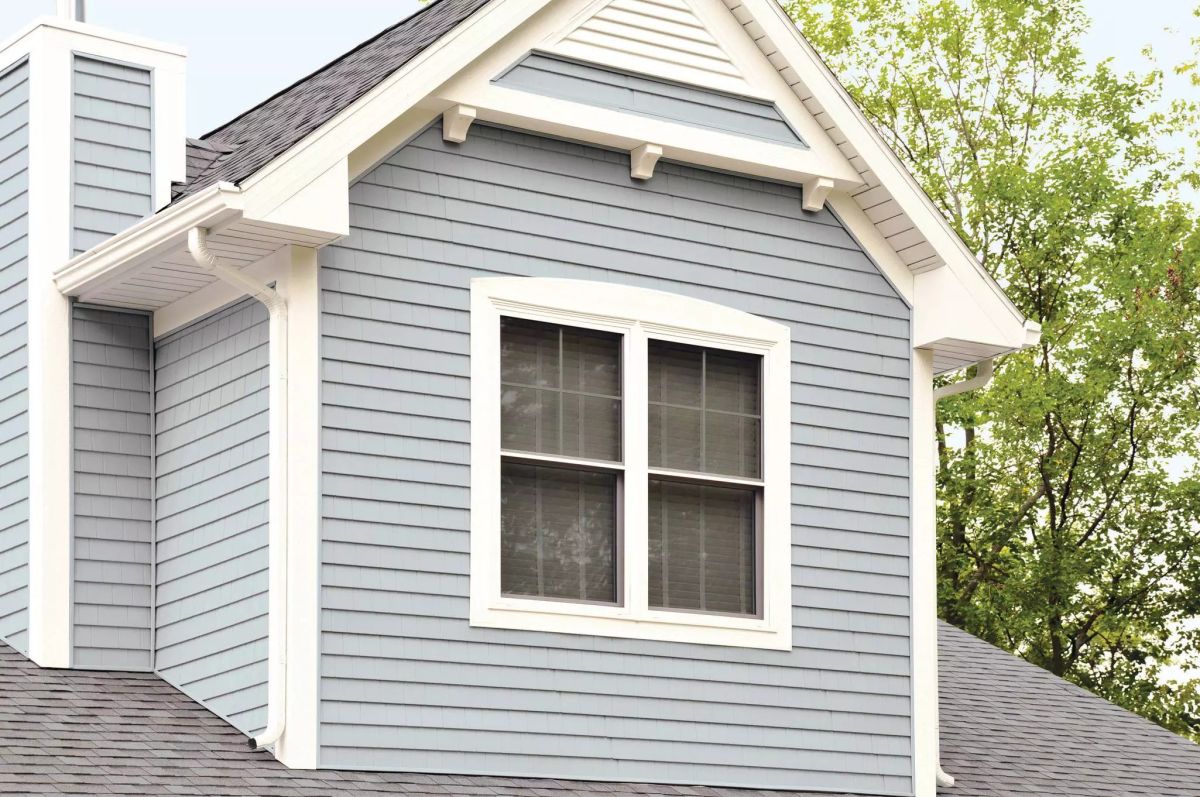
The best way to choose siding is to start with the parts of your exterior you are keeping. Windows and doors are the hardest features to change later, so choose siding color, texture, and profile to work around them. Approaching siding replacement this way helps the finished home look planned instead of pieced together. In this blog post, we’ve covered how to choose siding that complements your windows and doors. Read on to learn more.
Tips for Choosing Siding That Complements Your Windows and Doors
Here’s how to choose the best siding for your windows and doors:
- Start With Your Window Frame and Door Colors:
Look closely at your existing exterior window frames. Common exterior frame colors include white, tan, clay, bronze, and black, and each one carries either a warm or a cool undertone. Warm frames, like tan and clay, pair well with siding in sand, almond, or soft brown tones. Cool frames, like white, black, and silver, usually look sharper next to gray, blue, or charcoal exterior siding colors. Hold a sample against the frame in daylight before you decide, because mismatched undertones show up fast.
- Decide How Much Contrast You Want:
Contrast is the main design choice in any siding replacement project. There are three common approaches:
Tonal: Siding and trim sit in the same color family. The look is calm and quiet.
Classic contrast: Light siding with dark window frames, or the reverse. Windows become a focal point.
Accent door: Neutral siding and frames, with the entry door as the one bold color.
Doors give you the most freedom. Many entry doors come in more than 20 factory colors, and most can also be painted, so a deep green or navy door is an easy way to add personality without repainting the whole house.
- Match the Trim and Details:
Trim is the thread that ties everything together. Window casings, corner posts, soffits, and fascia should repeat one or two colors from your windows or doors. A white trim package works with almost any palette. Dark trim on lighter siding creates a crisp outline, but it shows dirt and fading faster, so it needs the right material underneath.

- Choose the Right Profile and Texture:
Siding is not only a color. The shape of each panel changes how windows and doors read against the wall.
Horizontal lap siding suits most home styles and gives a traditional look.
Board and batten adds vertical lines that make a house look taller, and it pairs nicely with tall windows.
Woodgrain texture brings warmth and softens the look of a large wall.
Match the texture to the home. Cedar-style grain works with classic and farmhouse designs, while smooth finishes suit modern homes with clean lines.
- Compare Siding Materials Before You Commit:
Material affects how long your color choice stays true. Two options are worth a close look:
Insulated vinyl siding has a foam backing that adds rigidity, helps the panels stay flat, and can reduce noise and improve comfort.
Composite cladding contains glass fibers for strength and titanium dioxide for UV resistance, which helps dark colors resist fading.
Both are made to hold up against moisture, so they resist the rot and swelling that damage some older siding.
- Test Samples and Preview the Result:
Screens rarely show true color. Order or pick up physical samples, tape them to the wall near a window, and check them in morning light, afternoon sun, and evening shade.
Many manufacturers and remodelers also offer online visualizer tools that let you upload a photo of your home and preview siding color with your existing windows and doors. It takes minutes and prevents expensive second guesses.
Bottom Line
The smartest siding replacement plans begin with what you already own: window frames, door colors, and trim. Match undertones, decide how bold you want to be, and choose a material that keeps that color looking good. A careful choice now saves you from living with a mismatch for decades.
Looking to explore siding options in person? Window World of Monroe, LA, offers siding replacement and a free quote request for homeowners across the area.
Frequently Asked Questions
-
Gray, blue, sage green, and warm neutrals pair well with white windows. White frames also work with dark charcoal siding for a crisp, high-contrast look.
-
No. Siding should complement the door, not match it exactly. A contrasting door color usually makes the entrance stand out in a good way.
-
Yes. New siding refreshes the exterior and creates a clean backdrop for windows and doors, which often improves curb appeal noticeably.
-
Many homes take a few days to a couple of weeks, depending on size, weather, and material. A contractor can give a timeline after inspecting the house.
-
It can be. The foam backing adds rigidity and can help with comfort and sound reduction, though results depend on the home and climate.