

 Back to Blogs
What Roofing Materials Are Best for Different Home Styles?
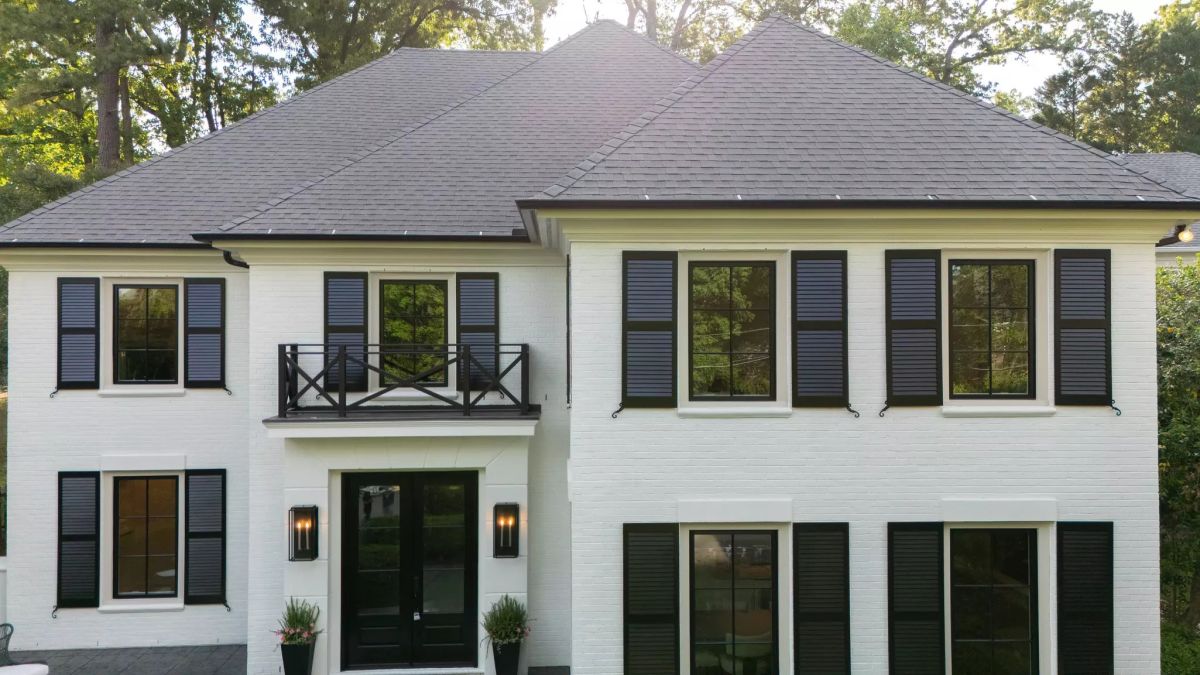
The best roofing material for your home fits its architecture, roof shape, and the weather it faces every year. For most American houses, that means layered asphalt shingles, which come in profiles that echo slate or wood shake. A well-planned roofing replacement starts with that match, because a roof covers more visible surface than any other part of your exterior.
Style is only half the story. Slope, ventilation, and the layers hidden under the shingles decide how long the roof performs. This guide walks through how home style shapes your choices, which looks pair well with which houses, and what to check before any work begins.
Why Does Your Home's Architectural Style Matter When Choosing Roofing Materials?
Your home's architecture sets the rules for the roof. A steep Tudor gable and a low ranch hip roof shed water differently, catch sun differently, and show texture differently from the street. Without that context, homeowners end up with a roof that works but looks wrong.
Four things change from one style to the next:
- Roof pitch: Pitch is how many inches a roof rises for every 12 inches it runs sideways. A 6:12 roof rises 6 inches for every 12 inches it runs sideways. Steeper roofs drain fast and show off shingle texture. Low-slope sections drain slowly and need special roof underlayment, the protective layer that sits directly on the roof deck.
- Visual weight: Large, steep roofs dominate a home's face. Dark, thick-looking shingles can overwhelm a small cottage, while thin, flat-looking ones can look weak on a big colonial.
- Roof shape: Many valleys, dormers, and hips mean more places where water changes direction, so flashing and sealing details matter more.
- Attic airflow: Hot, humid regions like northeast Louisiana push attic temperatures high, so roof ventilation should be planned alongside the shingles, not after them.
Climate belongs on that list too. Hurricane season runs June 1 through November 30 on the Gulf Coast, and wind-driven rain finds weak spots fast. A roof that suits your home's style still has to handle storms, heat, and humidity.

Best Roofing Materials for Different Home Styles
For most single-family homes, architectural shingles are the practical answer. These laminated shingles are built from two or more layers bonded together, giving them depth and a heavier, more dimensional look than flat shingles. Here is how that plays out across common styles..
Colonial and Traditional Homes
Symmetry and formality define these houses, so the roof should look tailored. Slate-look shingles with sharp shadow lines suit the clean geometry. Muted grays, deep browns, and charcoal tones keep the look classic. Because the roofline is usually simple, the pattern of the shingles does most of the visual work.
Ranch Homes
Ranch houses sit low and wide, so the roof is a big part of what you see. Wood-shake-look shingles in warm tones such as driftwood or weathered brown add texture and soften the long horizontal lines. Pay close attention to attic airflow here, since broad, low roofs collect heat across a large surface.
Craftsman and Cottage Homes
Exposed rafters, deep porches, and natural textures call for a roof with some grain to it. Shake-look shingles in earthy blends pair well with these details. Heavier, thicker-looking profiles help balance the substantial porch columns and trim.
Tudor and European-Style Homes
Steep gables and dramatic angles make the roof the star. Slate-look shingles with high contrast between light and dark tones highlight every ridge and valley. Complex rooflines mean more flashing, which is the thin material that seals joints where roof planes meet, so careful workmanship counts as much as the shingle choice.
Contemporary and Modern Homes
Clean lines and simple forms work best with solid, deep colors. Charcoal and black shingles create a crisp outline against light walls. Many modern designs include low-slope sections, and those areas need low-slope roofing products rather than standard shingles, which are generally intended for slopes of about 4:12 or steeper.
What to Check Before Any Roofing Replacement
Style is the starting point, but a durable roof is built from a complete set of parts. Before you commit, run through this list:
- Underlayment - Look for a waterproof layer at vulnerable spots and a water-resistant layer over the whole deck as a second barrier.
- Starter shingles - These sit along the edges and help the first row seal properly.
- Ventilation - A ridge vent along the peak, paired with intake vents or soffit vents, lets hot air escape and fresh air enter. The soffit is the underside of the roof overhang.
- Hip and ridge caps- These finishing pieces cover the angled edges and peaks and come in several profiles.
- Warranty terms - Ask what the manufacturer covers, what restrictions apply, and how professional installation affects coverage.
Bottom Line
Good roofing replacement is a match between style, slope, climate, and the full set of components under the shingles. Slate-look profiles flatter colonial and Tudor homes, shake-look profiles suit ranch and craftsman houses, and deep solid colors fit modern designs. Whatever the style, plan ventilation and underlayment as carefully as you plan color.
Homeowners in Monroe, LA planning roof replacement can request a Free Quote from Window World of Monroe, which installs the CertainTeed Integrity Roofing System with shingles that carry a CertainTeed limited lifetime warranty. Contact us now for more information.
Frequently Asked Questions
-
Match the shingle look to your architecture, such as slate-look for colonial and Tudor homes or shake-look for ranch and craftsman homes. Then confirm the slope, ventilation, and underlayment suit your climate.
-
Many standard residential projects take one to three days, depending on roof size, shape, and weather. Complex rooflines and deck problems found during tear-off can add time.
-
Curling shingles, heavy granule loss, leaks, and sagging areas are common signs. A roof near the end of its expected life deserves a professional inspection.
-
Yes. Ridge vents paired with intake or soffit vents move hot, moist air out of the attic, which helps keep the space cooler in summer and drier in winter.
-
Yes. Professional installation handles flashing, nailing, and ventilation correctly and helps protect manufacturer warranty coverage.