

 Back to Blogs
What Are the Best Windows for Reducing Outside Noise?
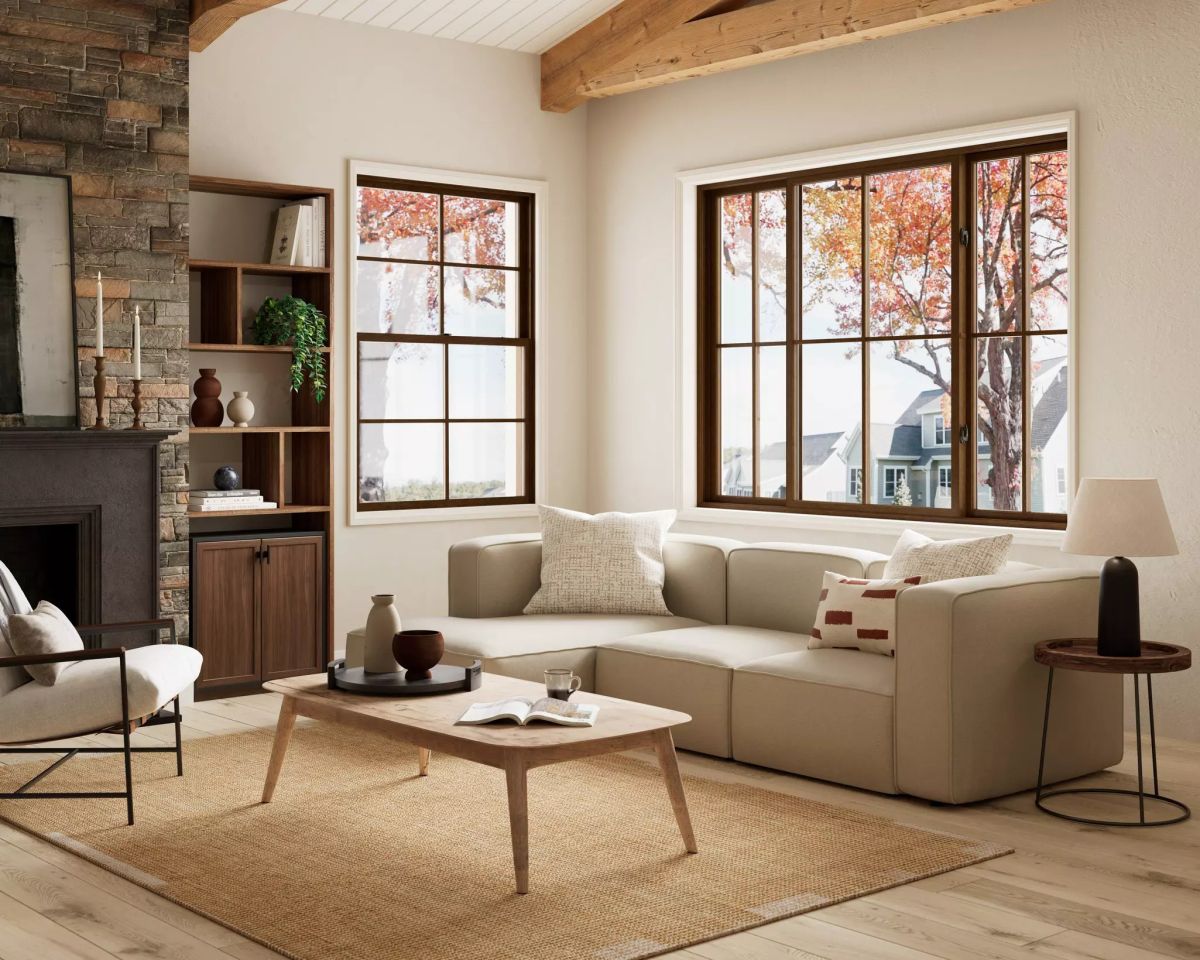
The best windows for reducing outside noise combine insulated double-pane glass, tightly sealed vinyl frames, and professional installation. Together, these three pieces block the sound waves that travel through thin glass and leak through gaps around the sash. For many homeowners, window replacement is the most practical way to reduce traffic, lawn equipment, and storm noise.
Here is the part most people miss. Noise rarely comes through the glass alone. It slips through worn seals, loose sashes, and gaps along the frame, so a window can look fine and still let the whole street into your living room. This guide explains how sound gets in, which window features help most, and what to ask before you buy. Read on to learn more.
How Do Windows Help Reduce Outside Noise?
Sound travels as vibration. When a truck passes or a mower starts up, those vibrations hit your exterior wall, and windows are usually the weakest spot. A well-built window slows that vibration down in several ways.
Insulated Glass Adds a Buffer
An insulated glass unit holds two panes with a sealed space between them. That gap interrupts the path of sound, so less of it reaches the inside pane. A single pane has no such barrier, which is why older homes often feel loud.
Tight Seals Stop Sound Leaks
Sound behaves a lot like air. If air can sneak through a gap, so can noise. Weatherstripping, snug sashes, and well-fitted frames close those gaps. This is one reason energy-efficient windows often end up quieter too, since a tight seal helps with both drafts and noise.
Frame Material and Fit Matter
Vinyl frames are built with hollow chambers and a smooth, rigid shape that holds a seal well over time. A frame that stays square keeps the sash closed against the weatherstripping, and that keeps sound out.
Installation Decides the Final Result
Even a top-quality unit performs poorly if the opening around it is not sealed and insulated correctly. Professional installation protects both the sound performance and the warranty. DIY installation is a common reason new windows still feel noisy.

What Are the Best Windows for Reducing Outside Noise
No single window style wins in every home. The right choice depends on how loud your street is, which rooms bother you most, and how often you open the window. Here are the features and styles worth comparing.
Double-Pane Insulated Glass
Start with the glass. A double-pane window is the baseline for noise control, because the sealed air space between the panes slows sound down. Many modern units also fill that space with argon, a colorless, odorless gas that is denser than regular air. Argon is mainly used for insulation, but the denser fill can support a quieter, more comfortable room as well.
Warm-Edge Spacers and Low-E Glass
The spacer is the strip that separates the glass layers. A warm-edge spacer is made from a material that conducts less heat than traditional metal spacers, which helps reduce condensation along the glass edge. Low-E glass has a microscopic coating that reflects heat. Neither one is a sound barrier on its own, but both signal a well-built, well-sealed unit.
Casement and Awning Windows
These styles crank open and press shut against the frame, much like a car door closing on its seal. That compression often creates a tighter closure than a sliding sash. If your bedroom faces a busy road, casement and awning windows are worth a look.
Picture Windows
A picture window does not open at all. With no moving parts, there are fewer places for sound to sneak through. Pair a fixed window with an operable one nearby, and you get both quiet and fresh air.
Double-Hung Windows
Double-hung windows are the most popular style in American homes. Both sashes tilt in for cleaning, and the units are built with weatherstripping to hold a close fit. For rooms where you want airflow and a reasonable level of sound control, they are a reliable pick.
Why Vinyl Is a Smart Frame Choice
Vinyl frames never need painting, and they resist the swelling and cracking that can open gaps over time. Because the frame keeps its shape, the seal around the sash stays consistent for years. That lasting fit is what keeps noise levels low long after installation day.
Questions to Ask Before You Buy
Before committing to a window replacement project, bring a short list to your consultation.
Which glass packages are available for my home?
How does each window style seal when closed?
Does the warranty cover the glass unit and moving parts?
Who handles installation, and is it done by trained professionals?
Can I see samples or a visual preview before I decide?
Also keep in mind that specialty sound-rated glass, which uses thicker or laminated layers, is a separate category. Availability varies by manufacturer and location, so ask what options exist in your area.
Small Habits That Support Quieter Rooms
Windows do the heavy lifting, but a few everyday touches help. Heavy curtains absorb echo inside the room. Soft rugs and upholstered furniture reduce how much sound bounces around. Keep windows fully latched at night, since a sash that is slightly open lets in far more noise than most people expect.
Bottom Line
Quiet starts with the whole window, not just the glass. Insulated double-pane glass, tight seals, sturdy vinyl frames, and expert installation work together to cut down the sounds you hear most. Casement, awning, picture, and double-hung styles each offer a different balance of airflow and quiet, so match the style to the room.
If your windows are drafty, rattle in the wind, or let the street inside, window replacement is a worthwhile project to explore. Ask plenty of questions, compare glass packages, and choose professional installation so the performance holds up for years. Looking for a local option? Window World of Monroe offers energy-efficient vinyl windows with a lifetime limited warranty and free quotes for homeowners across Monroe, Ruston, and El Dorado, so explore the window styles here.
Frequently Asked Questions
-
Yes. New windows with insulated glass and tight seals block more sound than old, worn, or single-pane units. Gaps around the frame are often the biggest source of noise, and a proper installation closes them.
-
Yes. The sealed air space between the two panes slows sound down, so a double-pane window typically blocks more noise than a single pane. Results vary based on glass thickness, seals, and installation.
-
Fixed picture windows tend to be the quietest, since they have no moving parts. Among windows that open, casement and awning styles often seal tightly because they press against the frame when closed.
-
Yes. Vinyl frames hold their shape and keep a consistent seal around the sash, which limits the gaps where sound can leak in. They also never need painting.
-
STC stands for Sound Transmission Class. It rates how well a window blocks airborne sound, and a higher number means less noise gets through.
-
It is not recommended. Professional installation ensures proper sealing, supports sound and energy performance, and helps protect your warranty.